

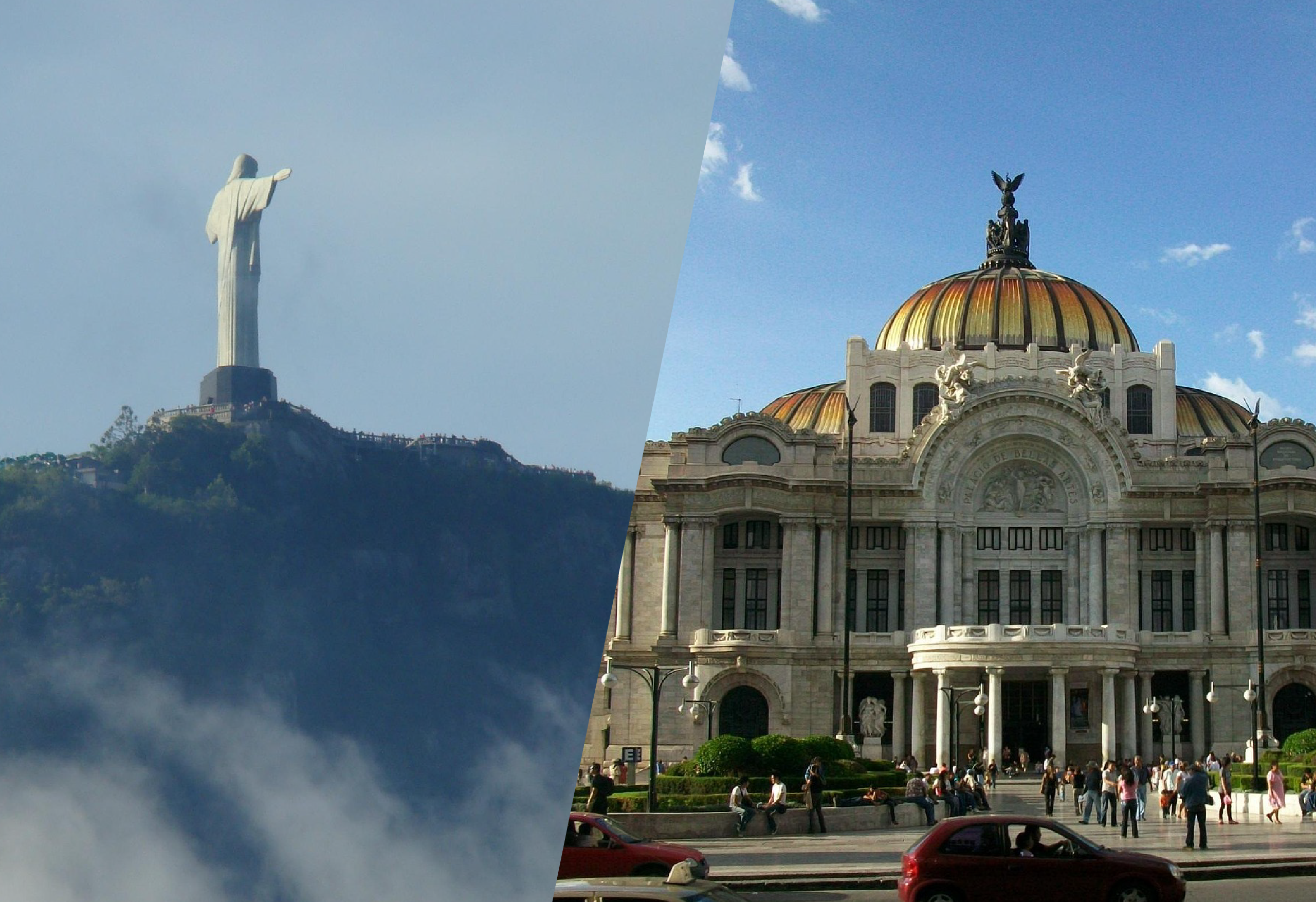
For global executives observing from a boardroom in New York, London, or Tokyo, Latin America often appears as a single block on the map. The numbers are enticing: a combined GDP of over $5 trillion and a population exceeding 650 million. However, the most common mistake international brands make is assuming that a strategy that works in Mexico City will seamlessly translate to São Paulo.
Brazil and Mexico are the two engines of the region, together accounting for nearly 60% of Latin America’s GDP. Yet, they are as distinct as Germany is from the United Kingdom. As a PR Latam Network partner, we believe that understanding these nuances is not just about cultural appreciation—it is a business imperative.
Here is an executive breakdown of how to navigate the communication landscapes of these two giants.
The Language Barrier: It’s Deeper Than Words
The most obvious difference is linguistic—Portuguese vs. Spanish—but the implications go beyond translation.
- Brazil is a Continent unto Itself: Brazil is the only Portuguese-speaking nation in the Americas. This isolation has created a self-contained media ecosystem. Brazilians consume Brazilian content, use Brazilian platforms, and trust Brazilian influencers. Content translated from Spanish often feels “foreign” and disconnected. To win in Brazil, you must create content in Portuguese, from a Brazilian perspective.
- Mexico as the North American Bridge: Mexico is geographically and culturally linked to the United States. Spanglish is common in business settings, and corporate culture often mirrors US standards. However, Mexican Spanish is rich in idioms and formalities that differ drastically from the Spanish spoken in Argentina or Colombia.
The Insight: A “Pan-regional” press release in Spanish will cover Mexico, Colombia, and Chile. It will not cover Brazil. Brazil always requires a dedicated, localized strategy.
The Media Ecosystem: Monopoly vs. Fragmentation
Brazil: The Power of Globo
Brazil’s media landscape is historically concentrated. Grupo Globo is not just a media company; it is a cultural institution that reaches 99% of Brazilian households.
- For PR Pros: Getting coverage in a Globo outlet (like O Globo or Valor Econômico) confers instant nationwide legitimacy. However, these gatekeepers are selective. Relationships here are paramount.
- Digital Explosion: Because traditional media is so concentrated, the digital space in Brazil is fiercely competitive. Brazil consistently ranks in the top 3 globally for time spent on social media, making influencer marketing a critical component of any PR mix.
Mexico: A Fragmented, Hybrid Landscape
Mexico’s media landscape is more fragmented and heavily influenced by proximity to the US.
- Key Players: While giants like Televisa and TV Azteca exist, the print and digital news landscape is diverse. Outlets like Reforma, El Universal, and Expansión hold significant sway over the business elite.
- The “Chayote” Legacy: Historically, Mexican journalism struggled with paid-for coverage (known as “chayote”). While top-tier media has professionalized, it is crucial for foreign brands to work with ethical agencies like PR Latam Network to navigate paid vs. earned media transparently.
Business Etiquette: The “Abraço” vs. The Handshake
Doing Business in Mexico
- Formality: Mexican business culture is hierarchical. Titles (Licenciado, Ingeniero) matter.
- Time: Punctuality is expected from foreigners, though meetings may run long. Small talk is essential before diving into business.
- Style: Negotiation is polite and indirect. A direct “no” is considered rude; you will often hear “let us study it” instead.
Doing Business in Brazil
- Warmth: The physical boundary is smaller. A hand on the shoulder or a hug (“um abraço”) is common once a relationship is established.
- Bureaucracy (“Custo Brasil”): The legal and tax complexity in Brazil is legendary. PR campaigns often need legal vetting to ensure compliance with strict consumer protection laws (Código de Defesa do Consumidor).
- Agility: Despite bureaucracy, Brazilian digital teams are incredibly fast and creative, often leading global trends in memes and real-time marketing.
Conclusion: You Need a Dual Strategy
Treating Brazil and Mexico as the same market is a recipe for mediocrity. To truly capture the Latin American opportunity, you need a “Multi-Local” approach.
At PR Latam Network, we don’t just translate your global goals; we interpret them for the specific realities of the Paulista avenues and the Reforma skyline.
Ready to launch in the region’s giants?
Contact our Senior Strategists today.
¿Necesitas un diagnóstico estratégico para tu mercado?